Projects
Georgetown’s Center for the Study of Slavery and Its Legacies supports a range of projects across the University that advance research, teaching, and understanding of the history and legacies of American slavery.
Georgetown Slavery Archive
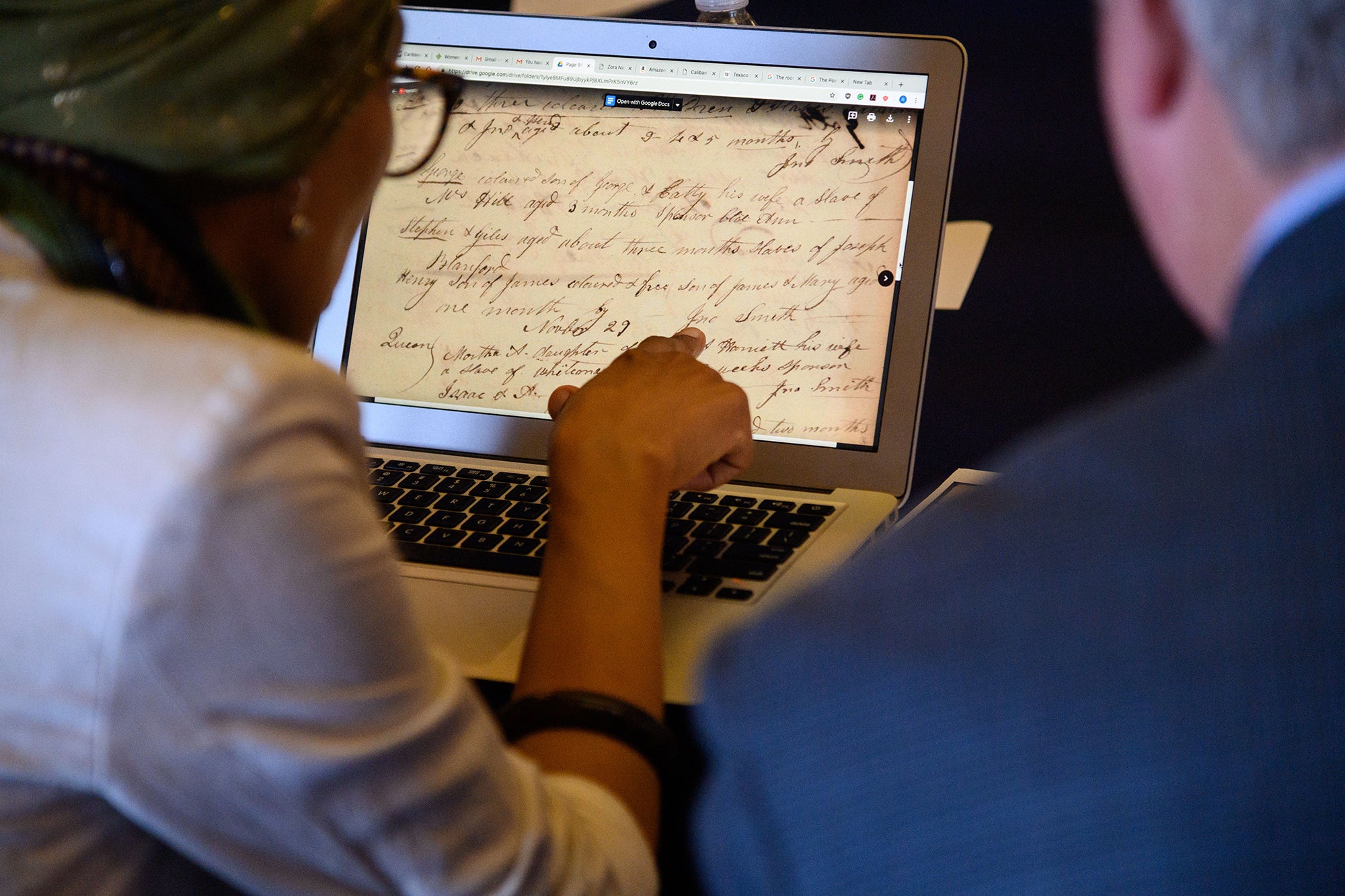
The Georgetown Slavery Archive is a repository of materials relating to the Maryland Jesuits, Georgetown and slavery. This project was initiated in February 2016 by the Archives Subgroup of the Georgetown Working Group on Slavery, Memory, and Reconciliation and is part of the university’s Slavery, Memory, and Reconciliation initiative.
View the Georgetown Slavery ArchiveSlavery, Memory, and Reconciliation Walking Tour
Students in Professor Adam Rothman’s fall 2019 UNXD 272 class researched buildings and sites on Georgetown’s campus to provide historical context for understanding their significance. This tour, developed by the Georgetown University Library’s Booth Family Center for Special Collections, allows anyone to tour these historic sites, either on campus or virtually.
Other Recent Projects
2025 Summer Institute on Slavery and Early Modern Philosophy
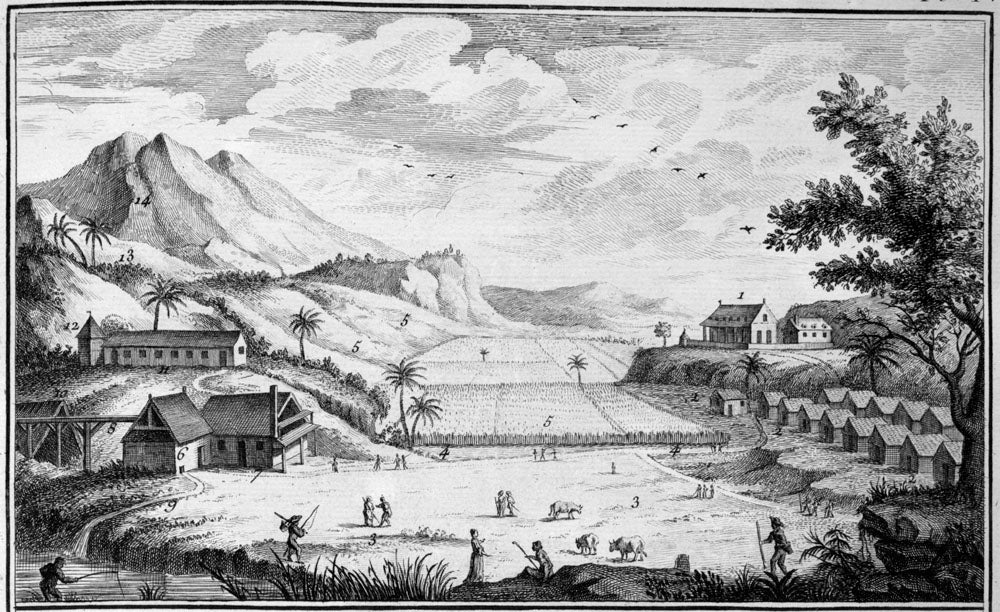
In the summer of 2025, Georgetown hosted an Institute for higher education faculty on philosophical debates about slavery in the seventeenth and eighteenth centuries. The Summer Institute was co-organized by Professor Huaping Lu-Adler in the Georgetown Philosophy Department and Professor Julia Jorati from the University of Massachusetts-Amherst. The Summer Institute was originally funded by the National Endowment for the Humanities (NEH), but the NEH withdrew funding from this and many other educational programs. Defunded but undeterred, the Summer Institute proceeded virtually with more than twenty-five participants from across the United States.
On These Grounds
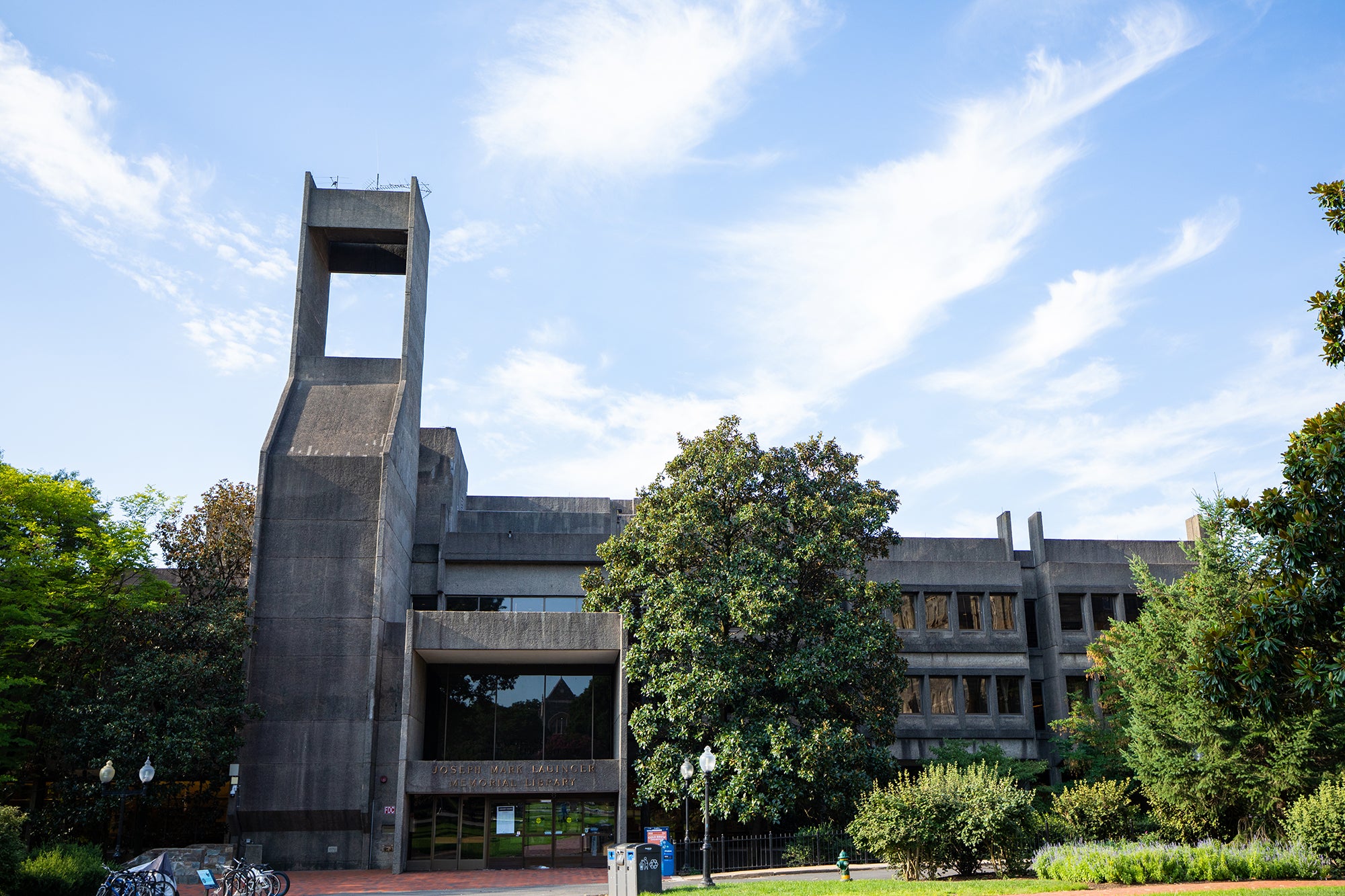
Lauinger Library is participating in a collaborative digital project “On These Grounds” to develop a method of describing its archival records that places the lives of the enslaved at the center. Instead of describing the records of enslavement from the perspective of the Jesuits who created them, “On These Grounds” describes the events of the lives of the enslaved people.
Here I Am
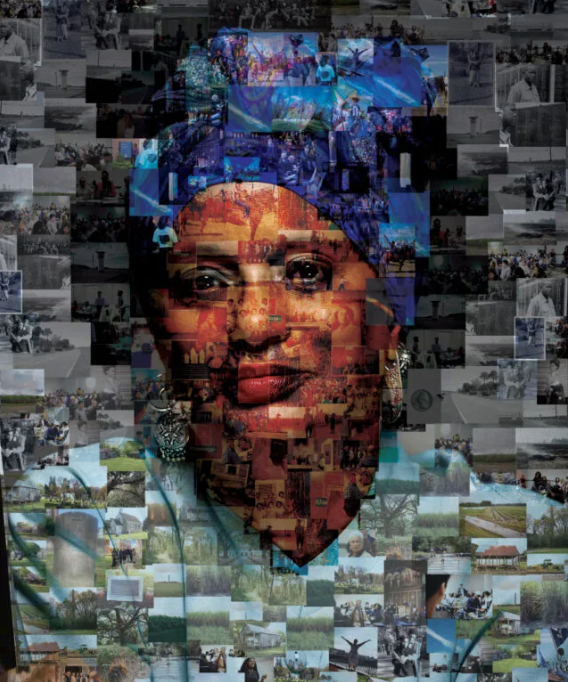
Here I Am weaves narrative, music, and imagery, inviting the audience on an experiential journey exploring a complicated history and relationship with the religious institution that enslaved writer Mélisande Short-Colomb’s ancestors.

Requiem for the Enslaved
Carlos Simon, Grammy-nominated assistant professor in the Department of Performing Arts, composed “Requiem for the Enslaved” to honor the lives of those who were enslaved by the Maryland Province of Jesuits and their more than 8,000 Descendants.
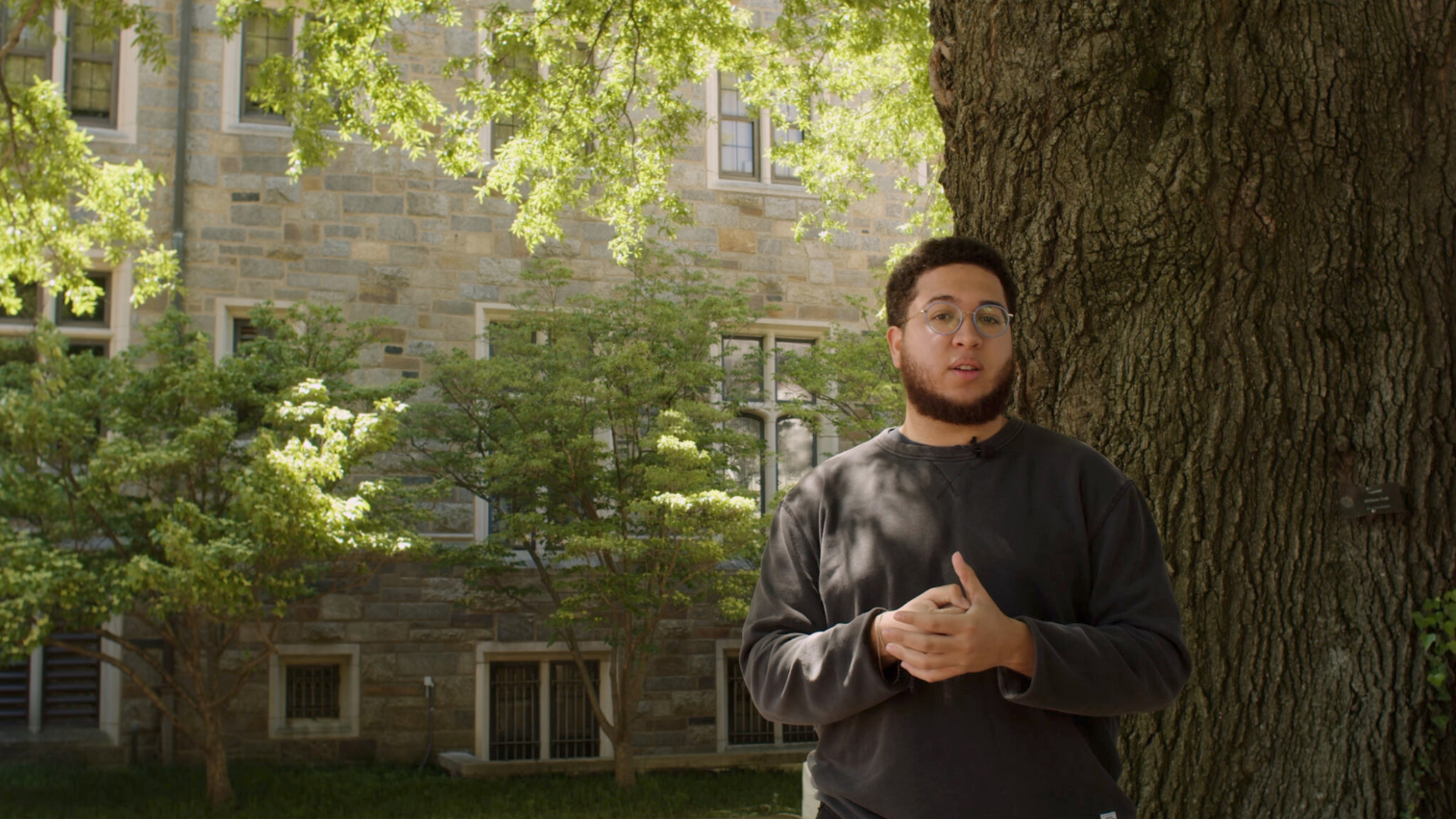
Since Last We Met
Since Last We Met is a multi-year, multi-film documentary project developed by Bernie Cook in collaboration with members of the GU272+ community, the living descendants whose ancestors were owned and sold by the Jesuits of Maryland. The premise of this project is that the living descendants provide the closest connection to the ancestors and their lives under Slavery and after Emancipation. Films in the project include I Am The Bridge (2023), This Will Not Stop Here (2023), and IAM4REAL (2018).